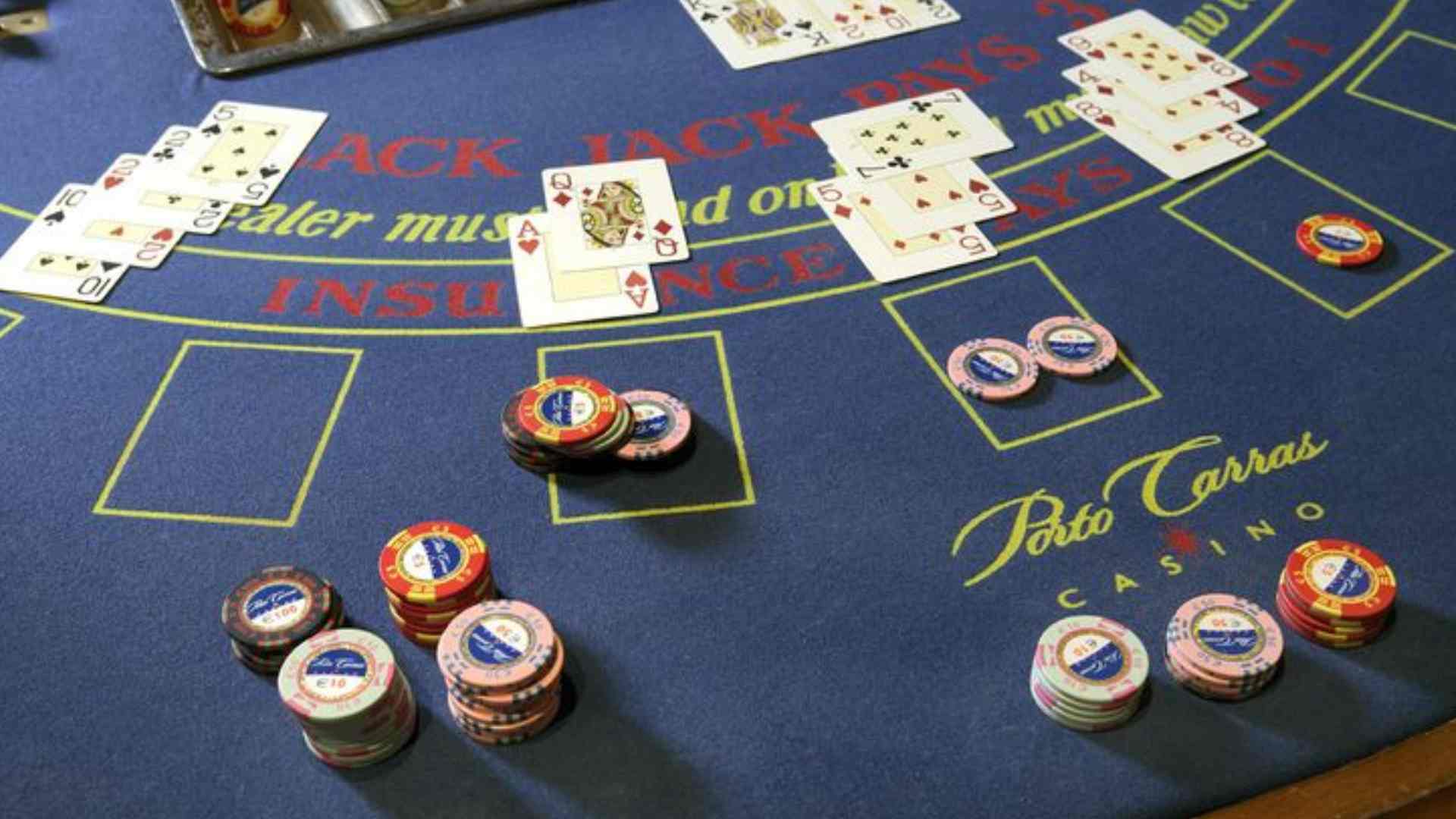
Mastering the art of deception at the live or digital card table requires a profound understanding of human behavior and strategic discipline. Players who rely entirely on their cards often struggle to achieve long-term profitability in highly competitive environments. By integrating a sophisticated approach to opponent analysis, you can execute well-timed bluffs that capitalize on the specific vulnerabilities of your rivals.
Categorizing Player Archetypes at the Table
Before launching a high-stakes bluff, it is essential to categorize the players sitting around you into specific behavioral profiles. Identifying whether an opponent plays tight-passive or loose-aggressive allows you to tailor your deceptive moves with precision. This initial step forms the foundation of any reliable read and prevents unnecessary chip loss against unpredictable rivals.
Tight players are generally the easiest targets for strategic aggression because they fold easily when scare cards hit the board. Conversely, trying to force an extremely aggressive player out of a pot requires a much more calculated and disciplined plan. Recognizing these distinct archetypes ensures that your tactical choices are based on concrete observations rather than simple guesswork.
Deciphering Betting Patterns and Sizing Tells
An opponent's betting behavior often provides a wealth of hidden data regarding the true strength of their hand distribution. Sudden changes in wagering speeds or unexpected variations in bet sizing can signal extreme psychological stress or absolute confidence. Tracking these consistent trends over multiple rounds gives you a significant informational advantage during critical moments.
For instance, when a player bets smaller on the turn compared to the flop, it often reveals a vulnerable marginal hand. Utilizing a secure platform like M88 Msports Login can help you refine your understanding of modern competitive gaming metrics. Capitalizing on these subtle tells allows you to construct believable stories that pressure your opponents into making costly errors.
Evaluating Positional Dynamics and Board Texture
The success of any deceptive play depends heavily on your physical location at the table relative to the dealer button. Having the advantage of acting last provides crucial insights into how your rivals have reacted to the current community cards. This spatial awareness allows you to measure risk accurately before committing a substantial portion of your bankroll.
Furthermore, evaluating the dynamic nature of the board texture determines if a bluff is mathematically logical or highly reckless. Coordinated boards with multiple draw possibilities require a different level of psychological pressure than dry, disconnected layouts. Balancing these external factors separates advanced analytical strategists from typical amateur enthusiasts.
Maintaining Absolute Mental Discipline
Executing an effective bluffing strategy requires complete emotional control and a profound level of mental assurance during high-stakes sessions. Allowing frustration or short-term losses to dictate your table actions will inevitably lead to devastating tactical mistakes. Top-tier competitors train themselves to accept variance while maintaining a completely unreadable demeanor throughout a match.
Combining precise mathematical pot odds with deep psychological reads creates an incredibly formidable and unpredictable playing style. Continuous deliberate practice will ultimately transform these professional principles into natural, second-nature habits. By focusing on steady improvement, you can consistently dominate complex fields and maximize your long-term success.