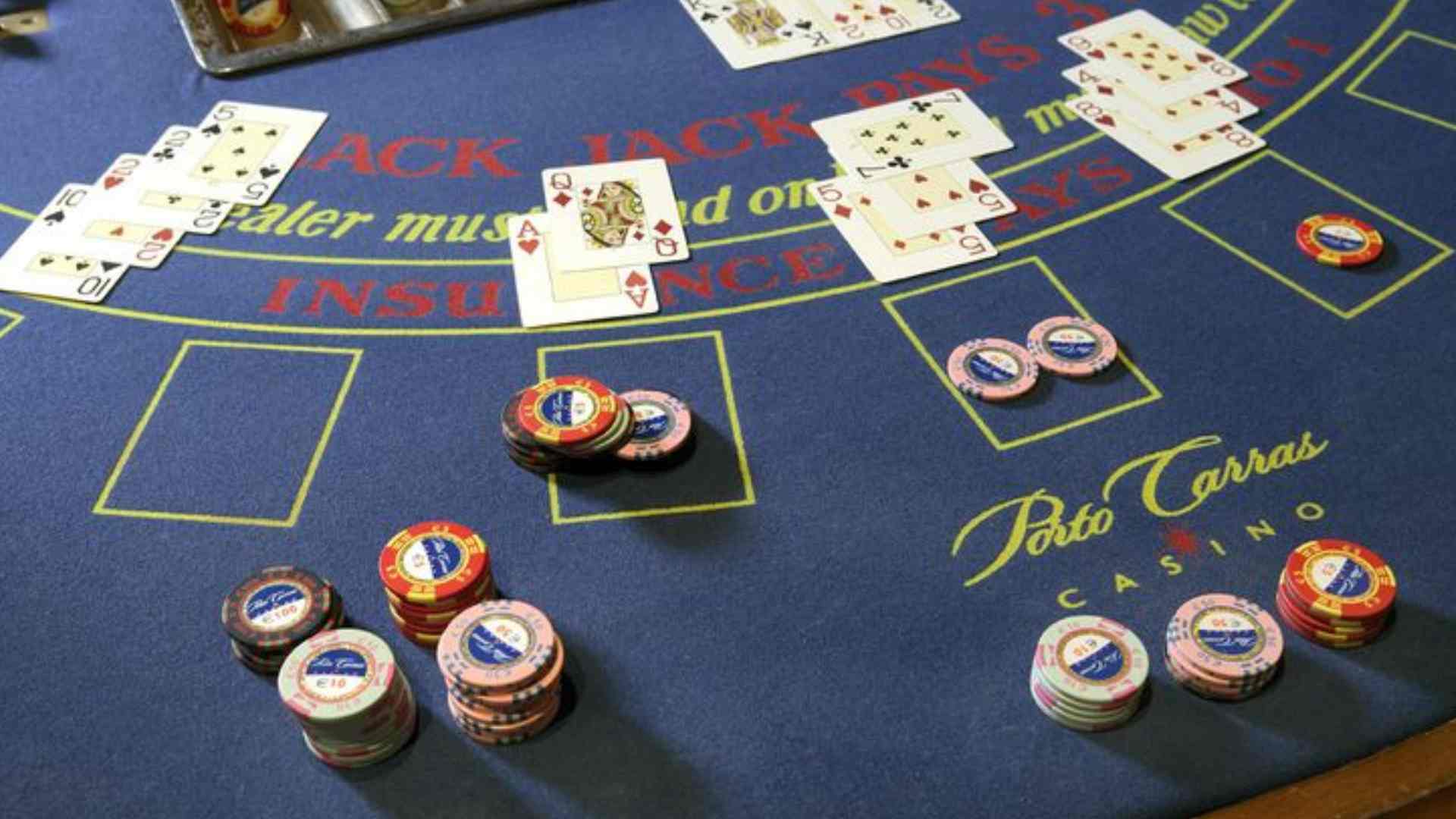
Entering a highly competitive card tournament requires much more than just a basic understanding of the rules or relying on good fortune. To consistently climb the leaderboards, players must master the subtle art of card control, which involves tracking discards, managing hand structures, and reading the table flow. Developing these technical and analytical habits allows you to make calculated decisions that consistently outsmart your opponents.
The Fundamentals of Card Tracking
An essential aspect of establishing card control is keeping a mental log of every card that enters and leaves the discard pile. By systematically tracking what your opponents choose to pick up or discard, you gain invaluable clues about the specific sequences and sets they are attempting to build. This continuous observation prevents you from accidentally throwing away a card that could hand your opponent an easy victory.
Furthermore, maintaining sharp card tracking skills helps you assess the overall probability of completing your own combinations. Recognizing when a vital card is already dead or locked in another player's hand allows you to adapt your strategy early rather than chasing impossible outcomes. Over time, this disciplined analytical habit dramatically increases your overall win rate across multi-round events.
Developing Strategic Hand Layouts
How you organize and sort the cards in your hand plays a silent but powerful role in maintaining focus under intense pressure. Elite players often arrange their cards in alternating colors or non-intuitive patterns to avoid giving away physical tells to observant opponents. Proper hand management also ensures you can visualize potential melds quickly as the game pace accelerates.
For players looking to test these strategies in a structured digital arena, securing a reliable M88 Msports Login offers access to various competitive platform layouts. Utilizing these platforms allows you to practice quick card arrangements under realistic tournament time constraints. Consistent practice under simulated pressures eventually turns manual card organization into an effortless, automatic skill.
The Power of Calculated Discards
True card control is not just about keeping the right cards, but also about knowing exactly when and what to discard. Feeding your opponent safe cards that do not benefit their potential sets is a defensive strategy that restricts their gameplay options. This level of tactical control forces them to make sub-optimal moves while you gradually assemble your winning hands.
Additionally, learning when to make a calculated drop or fold is a hallmark of professional-grade card control. Accepting a small, predetermined penalty early in a round is vastly superior to playing a weak hand that could lead to a catastrophic point loss. Making these logical compromises keeps your cumulative score competitive throughout the entire tournament structure.
Building Long-Term Mental Discipline
Ultimately, executing perfect card control requires high levels of emotional regulation and steady concentration over long gaming sessions. When tournaments span several hours, mental fatigue can lead to careless mistakes like overlooking discards or miscalculating odds. Developing a calm, systematic routine before each move ensures your tactical choices remain sharp from the first round to the final table.
By treating every match as a learning opportunity and analyzing your performance afterward, you can identify personal weaknesses in your card management. Cultivating a quiet confidence based on probability and preparation rather than luck will redefine how you approach competitive card games. With time and discipline, superior card control will become your most reliable weapon on the tournament floor.