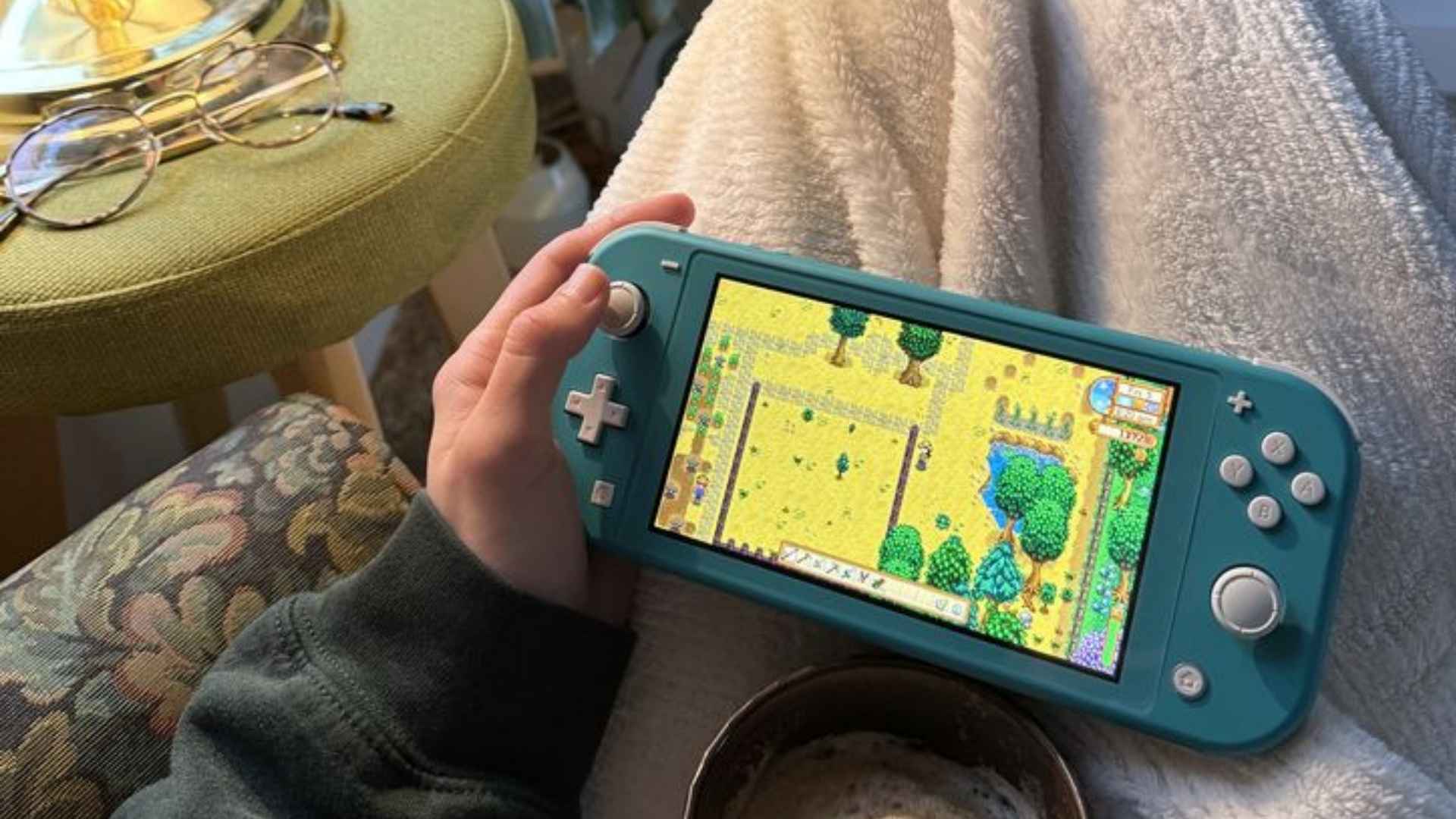
The evolution of social entertainment has created a fascinating divide between physical gathering venues and modern digital spaces. Traditional hall games have long provided vibrant community hubs where participants share face-to-face interactions, while digital platforms offer unparalleled convenience and accessibility. Understanding the nuances of both environments helps enthusiasts choose the experience that best fits their lifestyle and social preferences.
The Social Atmosphere of Physical Halls
For decades, physical gaming halls have served as vital community spaces where players gather to enjoy shared excitement. The tactile nature of physical cards, the echo of called numbers, and the immediate collective reactions create an atmosphere that digital screens struggle to replicate completely. These venues foster real-world connections, making them particularly appealing to players who value direct social engagement.
However, attending a physical hall requires dedicated travel time, adherence to specific operating schedules, and physical presence. For many modern players with busy routines, these geographic and time constraints can make regular participation challenging. Despite these requirements, the traditional venue remains a cherished option for those seeking a dedicated night out with friends.
Accessibility and Variety in Online Gaming Spaces
In contrast, modern digital platforms have transformed how people access numerical entertainment by removing physical barriers entirely. Players can join sessions at any hour from smartphones or desktop computers without worrying about location or travel. This flexibility allows individuals to fit brief gaming sessions into their daily routines seamlessly.
Furthermore, online platforms frequently feature a broader range of game variations and customizable settings than physical venues can host simultaneously. Players can easily explore automated card tracking, different play speeds, and specialized themes tailored to their personal preferences. The sheer convenience of digital access has introduced the genre to a much wider, globally connected audience.
Community Dynamics and Modern Technology
While physical halls excel at face-to-face warmth, online environments have developed their own unique methods of fostering social connections. Integrated live chat rooms, digital side games, and interactive hosts allow players to converse and celebrate wins together in real time. These digital features build active online communities that span across geographic boundaries.
Additionally, modern software incorporates certified random number generators to ensure complete transparency and fair outcomes for all participants. High-definition video streams and crisp visual displays further bridge the gap between physical presentation and digital convenience. As technology continues to advance, the distinction between virtual spaces and real-world halls grows increasingly sophisticated.
Finding the Right Balance for Your Lifestyle
Choosing between traditional halls and digital rooms ultimately depends on what an individual values most in their gaming experience. Those seeking physical camaraderie, structured event nights, and a classic sensory environment will naturally gravitate toward local halls. Conversely, players prioritizing schedule flexibility, diverse game choices, and rapid pacing will find digital platforms more suitable.
Many enthusiasts now enjoy a hybrid approach, frequenting local physical venues for special occasions while using digital platforms for daily casual play. Both formats continue to thrive alongside one another, catering to different moments and personal priorities. As both physical and digital options evolve, players enjoy more choices than ever before.